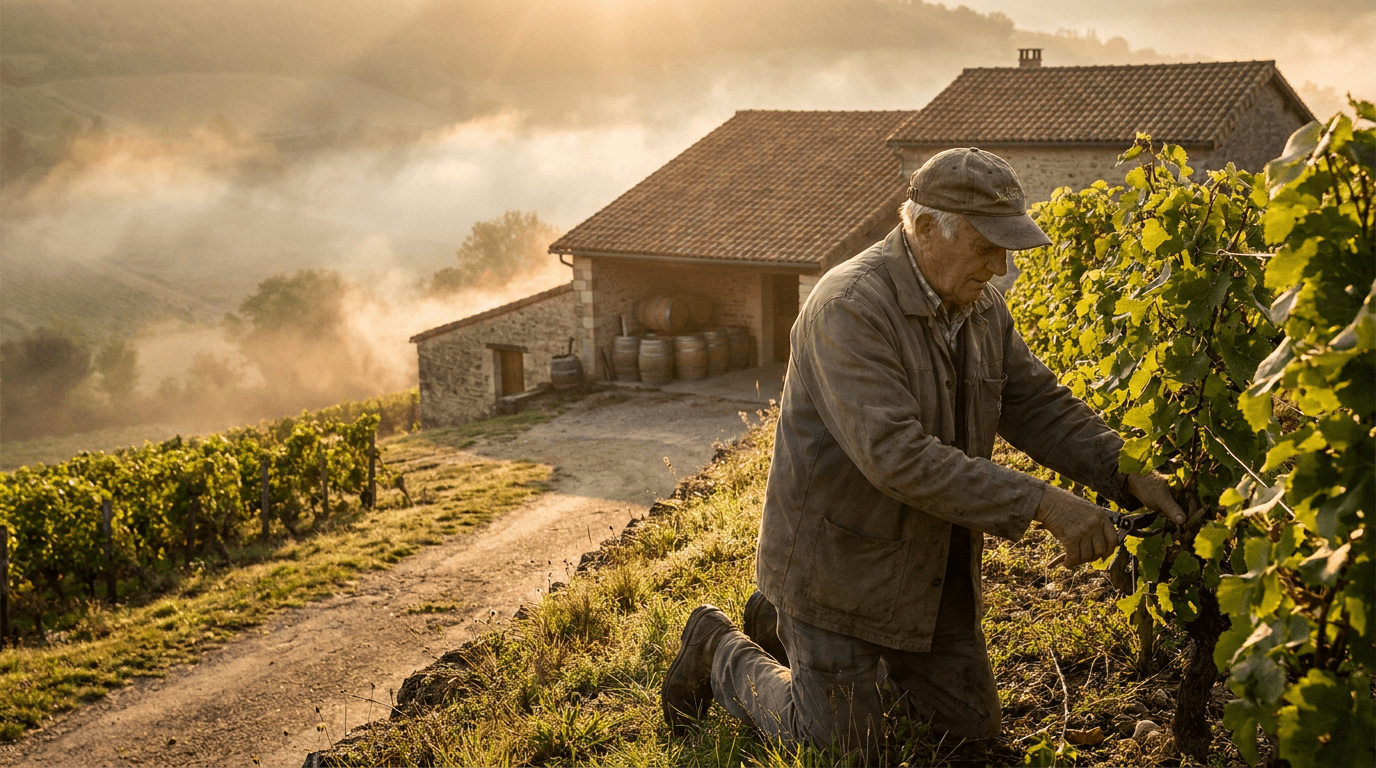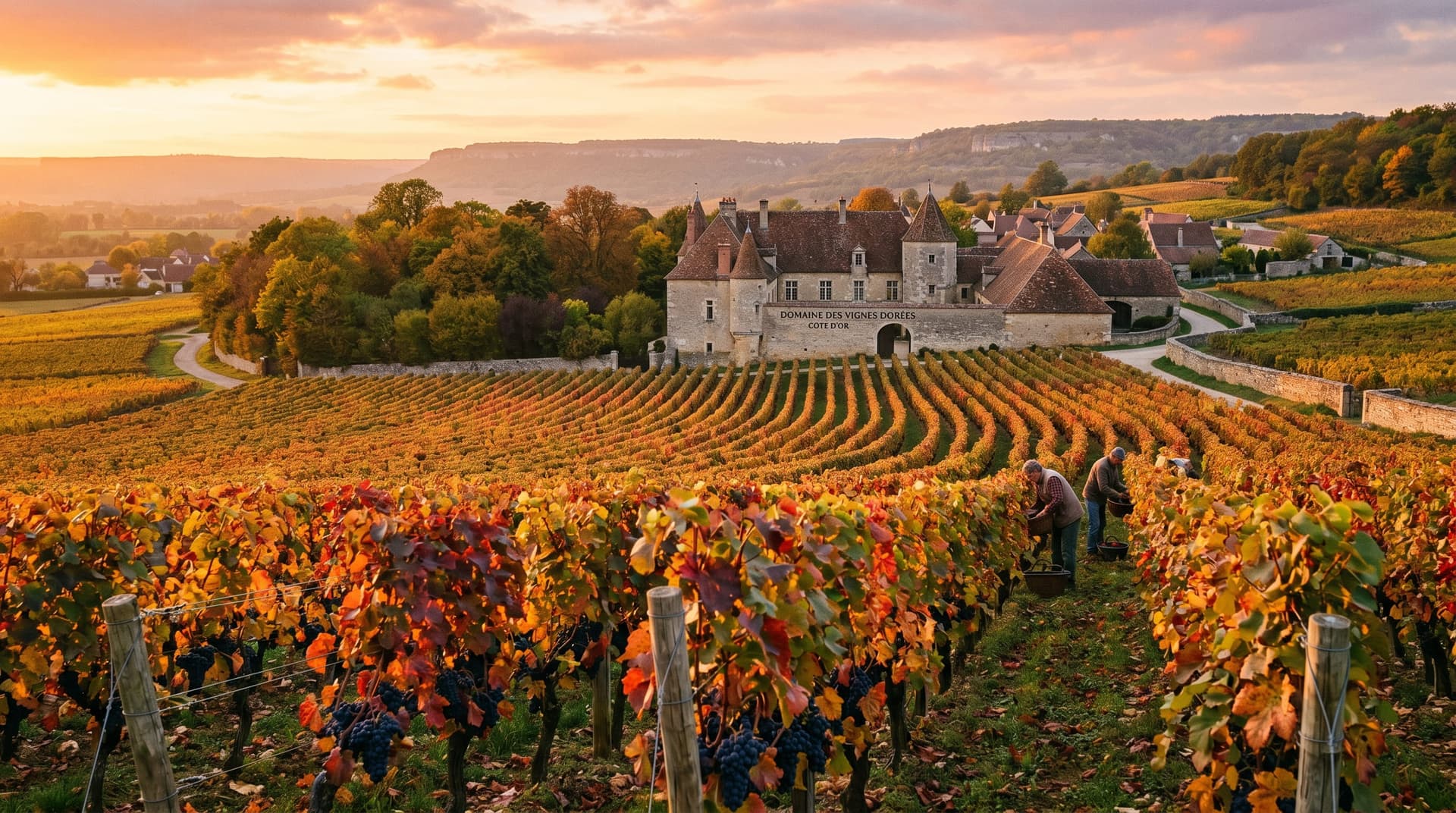
A Demeter or Biodyvin logo on a label puts your mind at ease? Fair enough. But reducing biodynamics to a stamp on a bottle means missing the point entirely. The reality on the ground is infinitely more nuanced — and often more fascinating — than any standardised set of specifications can capture. Some certified estates do the bare minimum. Others, without any label whatsoever, practise biodynamics with far greater rigour and sincerity. The paradox is glaring: certification, designed to guarantee quality, sometimes creates a smokescreen that prevents consumers from understanding what actually happens in the vineyard. After months of conversations with winemakers, auditors and biodynamic consultants, here's what the labels won't tell you — and why buying direct from the producer remains the best way to separate fact from marketing fiction.
The Structural Limits of Biodynamic Certification Standards
Demeter and Biodyvin are the two main biodynamic certifications in the wine world. Their specifications go beyond the European organic standard: horn manure (500) and silica (501) preparations, lunar calendar adherence, reduced sulphur limits. On paper, it's demanding. In practice, it's far more complicated.
First blind spot: audit frequency. An annual inspection, often scheduled in advance, captures only a snapshot. An estate can perfectly comply on inspection day and take liberties the rest of the year. This isn't systemic fraud, but the system relies heavily on good faith.
Second issue: the specifications don't measure depth of commitment. Applying biodynamic preparations at the bare minimum — two passes of 500, one of 501 — versus dynamising them with genuine conviction while observing the vine for a full hour are radically different approaches. Yet both estates earn the same logo.
Third limitation, rarely discussed: certification scope. Demeter certifies the operation, not necessarily every parcel with equal rigour. A large estate may have plots in conversion alongside fully certified ones, all under the same label. The consumer is none the wiser.
Finally, the economics weigh heavily. Certification costs between €1,500 and €5,000 annually depending on estate size. This pushes some exemplary small growers to forgo the label entirely. They practise biodynamics without advertising it, preferring to invest in their vines rather than paperwork.
Ghost Estates: Biodynamic Practitioners Without the Sticker
It's the worst-kept secret in French wine: a significant proportion of the finest biodynamic estates aren't certified. And it's not through negligence.
Consider the emblematic case of leading Burgundy domaines that have practised full biodynamics for decades without ever approaching Demeter. Their reasoning is crystal clear: the label adds nothing commercially, and they refuse to let an outside body dictate their working calendar. They'd rather let the wine speak.
This trend is accelerating. More and more winemakers view certification as freezing a practice that should remain living and adaptive. Orthodox biodynamics — Rudolf Steiner's cosmic rhythms and specific preparations — provides a framework. But the best practitioners transcend it, integrating complementary approaches: agroforestry, selective cover cropping, work with soil micro-organisms. These innovations fit no regulatory checkbox.
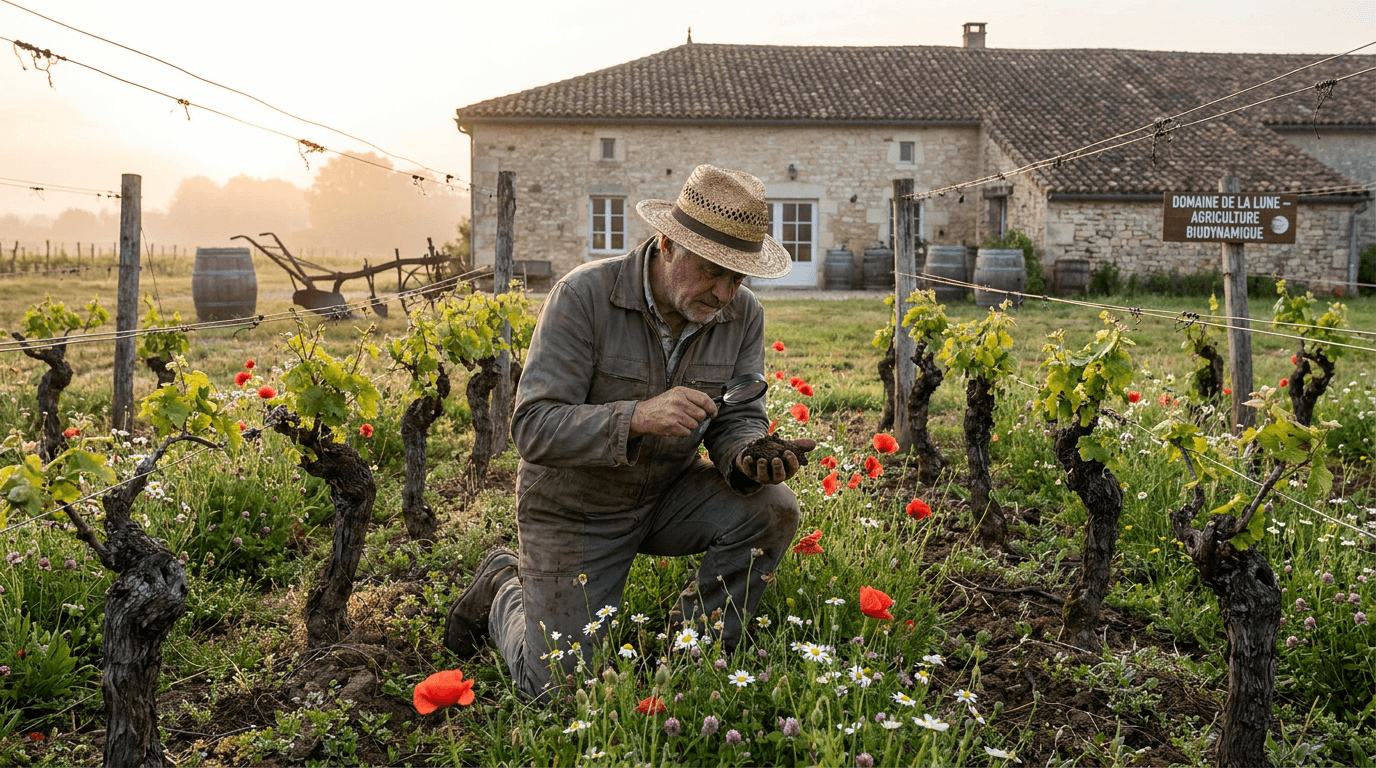
The real indicator of biodynamic quality isn't the logo. It's the observable biodiversity in the vineyards — insects, birds, diverse ground cover. It's rooting depth. It's the microbiological life of the soil, measurable but never measured by auditors. A winemaker who shows you soil analyses and explains their relationship with the living environment tells you more in ten minutes than a certificate does in ten pages.
On Spiravel, buying direct from the producer enables precisely this transparency. You're talking to the person who makes the wine, not a marketing department waving a label.
How to Evaluate a Domaine's Biodynamic Sincerity
So, without blindly trusting certifications, how do you distinguish authentic biodynamic commitment from a mere marketing argument? Here are the concrete criteria we use — and that you can adopt.
Look at the vineyard, not the label. A genuinely biodynamic estate displays visible biodiversity: varied herbs between rows, beneficial insects, trees or hedgerows bordering parcels. If the vines are mown bare in a sterile landscape, the Demeter logo changes nothing.
Ask precise questions. Enquire which preparations the winemaker uses, how often, how they dynamise them. A sincere practitioner will answer with passion and detail. An opportunist will stay vague or recite the specifications like a script.
Check for overall coherence. Biodynamics doesn't stop at preparations 500 and 501. It implies a holistic vision: composting, input self-sufficiency, respect for natural cycles. An estate that buys ready-made preparations from an industrial supplier rather than crafting them on-site reveals a surface-level commitment.
Look at track record. The real effects of biodynamics on soils and vines take five to ten years minimum to manifest. An estate converted two years ago and already certified hasn't proven much yet. One that has practised for fifteen years, certified or not, has living soils that speak for themselves.
Taste. Ultimately, wine from sincere biodynamic practice carries a signature: a tension, a salinity, an energy on the palate that conventional wines struggle to replicate. This isn't mysticism — it's the reflection of living soil and fully healthy grapes.
Frequently Asked Questions
Is a Demeter-certified wine automatically better than a standard organic wine?
Not necessarily. Demeter certification guarantees compliance with stricter specifications than organic, particularly regarding sulphur levels and biodynamic preparation use. But final quality depends on the winemaker's talent, terroir and vintage. An excellent organic wine will always outshine a mediocre certified biodynamic one.
Why do some prestigious estates refuse biodynamic certification?
Several reasons converge: administrative cost, reluctance to be audited by a body perceived as disconnected from the field, and the desire to maintain complete freedom in their practices. Many also consider their reputation sufficient proof of commitment, without needing an additional stamp of approval.
How can I verify an estate's actual practices on Spiravel?
On Spiravel, you buy directly from the producer. Take advantage: ask questions through the platform, request details about viticultural practices, preparations used and soil health. Winemakers on Spiravel commit to a level of transparency that goes far beyond what any simple logo can communicate.