The hidden gems that sommeliers jealously guard
Yes, sommeliers have their secret stashes. These are the estates they never mention in their public recommendations, which they don’t highlight on their wine lists, and which they treasure for their own cellars. This is neither elitism nor snobbery — it’s a matter of survival. When a hidden gem goes viral, prices skyrocket, allocations shrink and the magic disappears. The result: the finest wine professionals maintain a parallel network of discreet winemakers, often selling directly to the public, whose wines rival those costing two to five times as much. Today, we’re breaking the silence. We’re opening the doors to this world of insiders, dissecting the criteria that make a vineyard a well-kept secret, and giving you the keys to unearth these hidden gems for yourself. Welcome to the hidden side of wine.
Why sommeliers protect their best finds
Wine is a brutal market of supply and demand. When Robert Parker awarded 100 points to certain Châteauneuf-du-Pape wines in the 2000s, prices tripled in a single vintage. Sommeliers have realised this: talking about a little-known estate could potentially ruin it. A small winemaker producing 15,000 bottles a year cannot cope with a sudden surge in demand without changing their philosophy. They will have to either raise their prices, increase their yields, or turn people away. In any case, the magic formula — exceptional quality at an affordable price — falls apart.
That is why the professionals operate in closed circles. They exchange names at the bar, after service, at exclusive events such as La Dive Bouteille or Les Pénitentes. These events are not trade fairs: they are places where enthusiasts can share their passion and taste wines that cannot be found in mainstream shops.
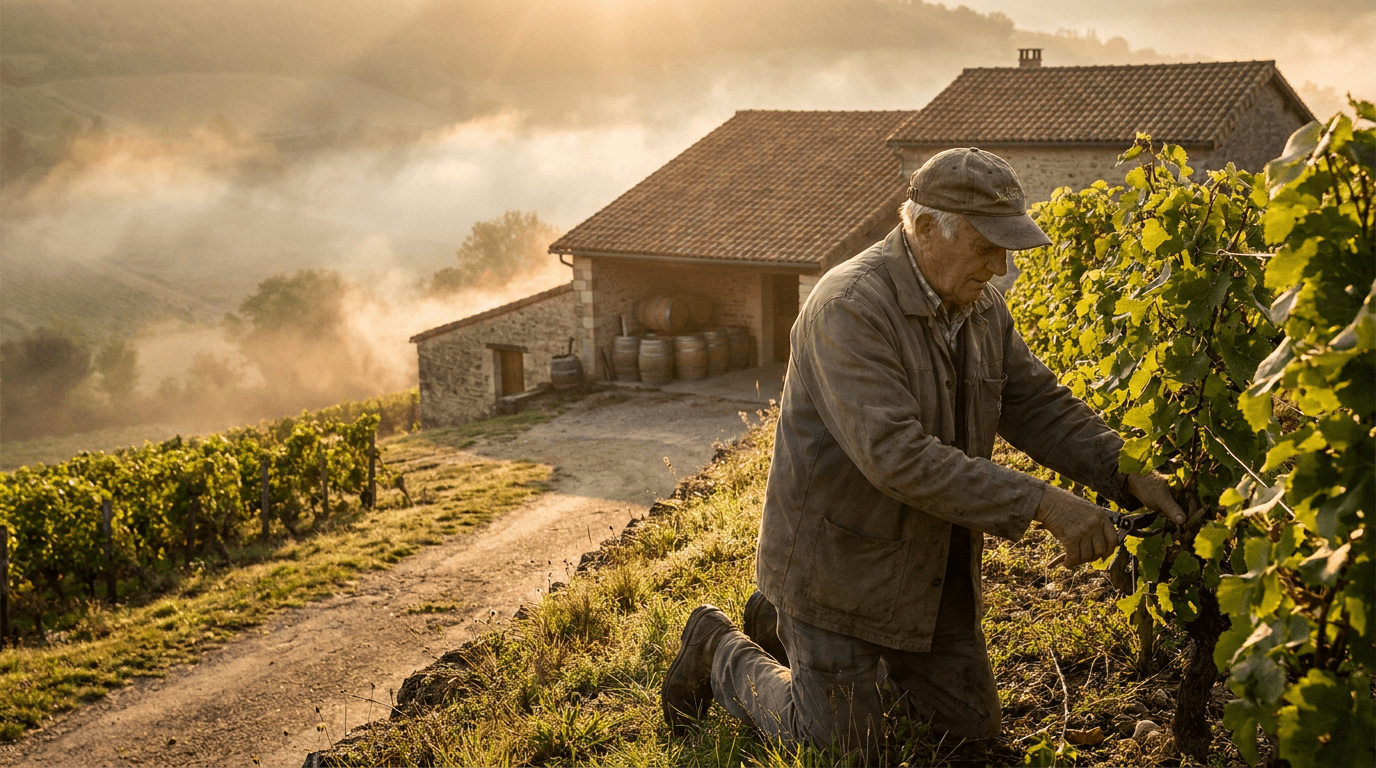
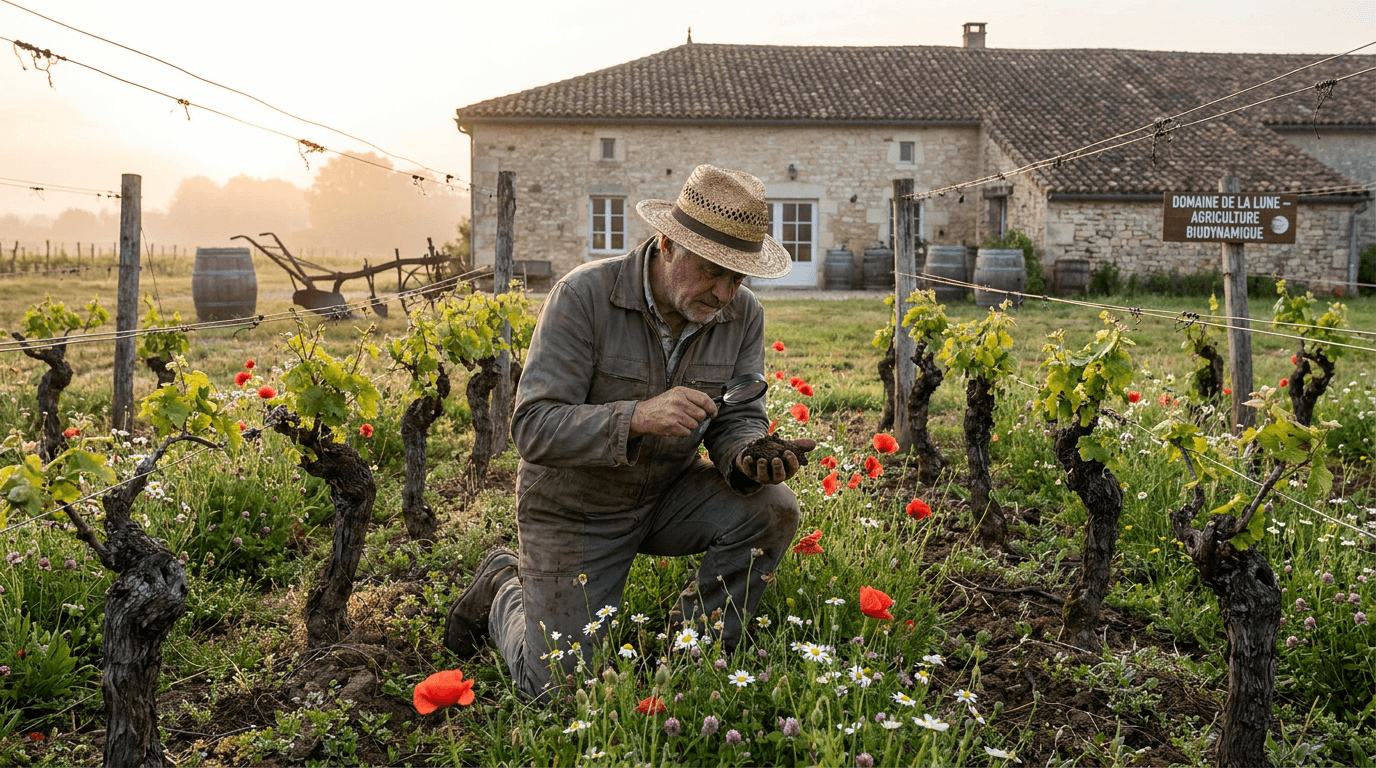
The typical profile of a secret estate? An organic or biodynamic grower-winemaker, based on a prestigious terroir but in an underrated appellation. They work with ridiculously low yields, vinify with minimal intervention and sell the bulk of their production directly or through a handful of hand-picked wine merchants. Their media profile is virtually non-existent, but their waiting list grows longer every year through professional word of mouth alone.
The appellations and regions where hidden gems lie
Forget Pauillac, Gevrey-Chambertin or Hermitage if you’re looking for well-kept secrets. Sommeliers look elsewhere, in areas where land remains affordable and where brilliant winemakers are setting up shop precisely because they refuse to be drawn into the race for higher prices.
The Jura remains a prime hunting ground, despite the recent hype. Beyond well-known names such as Ganevat and Overnoy, around ten micro-estates produce Savagnin and Trousseau wines of surgical precision for under 20 euros. Auvergne is experiencing a spectacular renaissance: the volcanic Gamays from the Clermont-Ferrand hillside offer a drinkability and minerality that many Beaujolais crus no longer achieve at this price. Roussillon, a land of century-old Grenache vines, is home to winegrowers who produce reds of incredible depth, sold at prices that would make any Priorat enthusiast weep.
Outside France, look to Georgia for authentic macerated whites, the Swiss Jura for terroir-driven Chasselas, or the Canary Islands for breathtaking volcanic whites. What all these regions have in common is an outrageously good value for money and production volumes too limited to attract the attention of the major retailers. This is exactly where direct sales from the producer really come into their own — and this is exactly where sommeliers do their personal shopping.
How to track down these hidden gem estates yourself
First thing: stop searching on Google. Truly hidden gem estates often don’t even have a proper website. Their online presence is sometimes limited to a poorly updated Facebook page or a mention on a foreign importer’s website. This acts as a natural filter that keeps the casual curious at bay.
Visit independent winegrowers’ trade fairs. Not the crowded, high-profile events in Paris, but regional fairs: La Remise in Beaune, Sous les Pavés la Vigne, Vini Birra Ribelli. Always make a point of tasting at the least crowded stands. Estates with no queues are often the most interesting — their lack of fame says nothing about their talent.
Build a relationship with a passionate wine merchant. A genuine independent wine merchant, not a chain. The sort who closes up shop on Mondays to go and help with the harvest at his winemakers’ estates. Tell him what you like, buy regularly, and gradually he’ll open up his secret stash to you — those vintages he doesn’t put on the shelves and keeps under the counter for his loyal customers.
Use direct-sales platforms. That’s the whole point of a model like Spiravel: to connect lesser-known winemakers directly with discerning wine lovers, without intermediaries who inflate prices or algorithms that favour high volumes. Filter by small production runs, explore lesser-known regions and read the technical descriptions rather than the standardised tasting notes.
Finally, trust your palate rather than scores and medals. A niche winery isn’t seeking external validation. It seeks customers who understand its work.
Frequently Asked Questions
Is a lesser-known estate necessarily better than a well-known one?
No, not necessarily. But at the same price, a lesser-known estate often offers better value for money. With no marketing costs or middlemen’s margins, every euro goes towards the grapes and the work in the cellar. Sommeliers know this: it is in the shadows that the market’s most spectacular value for money lies.
How can you tell if a lesser-known wine is really worth it before buying?
Look for concrete indicators: low yields mentioned on the technical sheet, organic or biodynamic certification, single-vineyard vinification, and extended ageing. Check whether the estate is stocked by recognised independent wine merchants. And above all, order just one bottle before investing in a case. Direct sales make this gradual approach easier.
Do lesser-known estates remain affordable for long?
Rarely. The window of opportunity usually lasts three to five years. After that, word of mouth takes its course, an influential critic discovers the estate, and prices inevitably follow suit. Our advice: when you find a hidden gem, buy regularly directly from the estate to secure your allocation before its reputation catches up with its quality.