How a 3-Hectare Winemaker Can Rival a Grand Château
The short answer: by doing exactly what a grand château cannot. A winemaker working 3 hectares knows every vine, every plot, every micro-variation in the soil. They harvest by hand when the fruit is perfect, not when logistics allow it. They vinify with surgical precision, lot by lot, with zero industrial compromise. Where a grand château invests millions in marketing, packaging, and public relations to maintain an image, the small winemaker invests everything in the glass. It's David versus Goliath. And just like in the myth, David wins far more often than people think. Blind tastings prove it consistently: micro-estates crush prestigious labels sold at ten times their price. The secret isn't a mystery. It's pure terroir, relentless work, and zero marketing nonsense.
Terroir as the Ultimate Weapon: The Small Estate's Structural Advantage
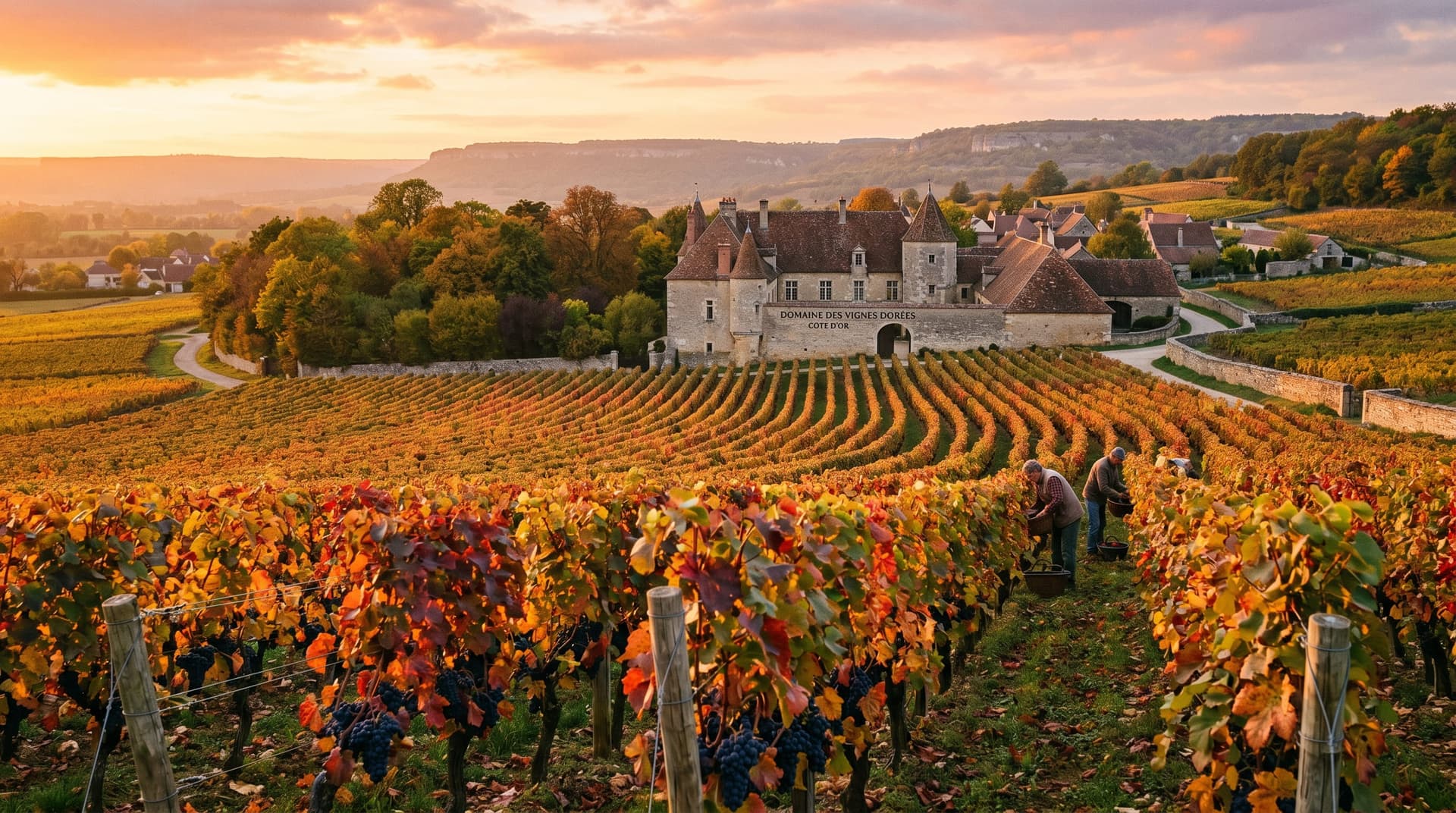
A grand château owns 50, 80, sometimes 150 hectares. Impressive on paper. In reality, it's a major handicap when precision matters. Across such a surface, soils vary considerably. Exposures change. Microclimates differ from one plot to another. The result? A blend that smooths out edges, chasing consistency rather than excellence.
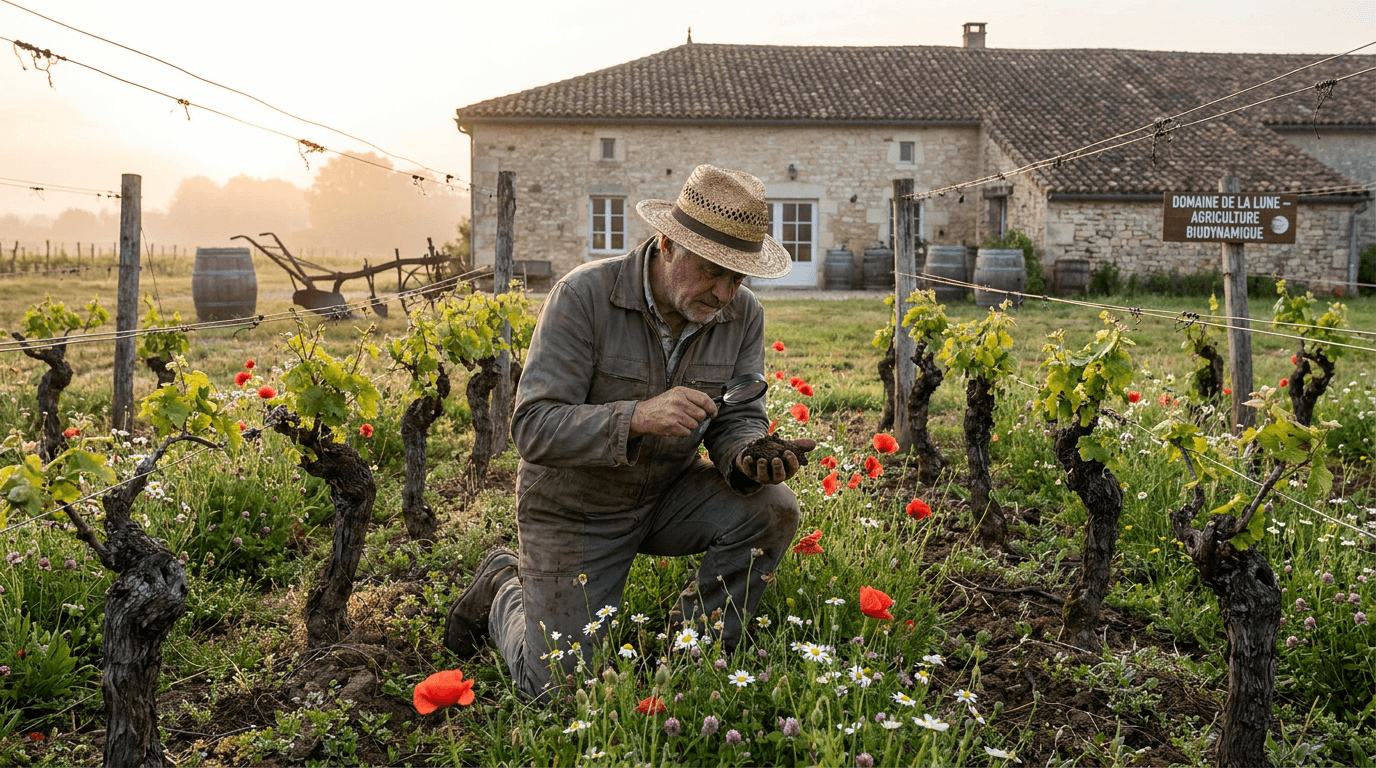
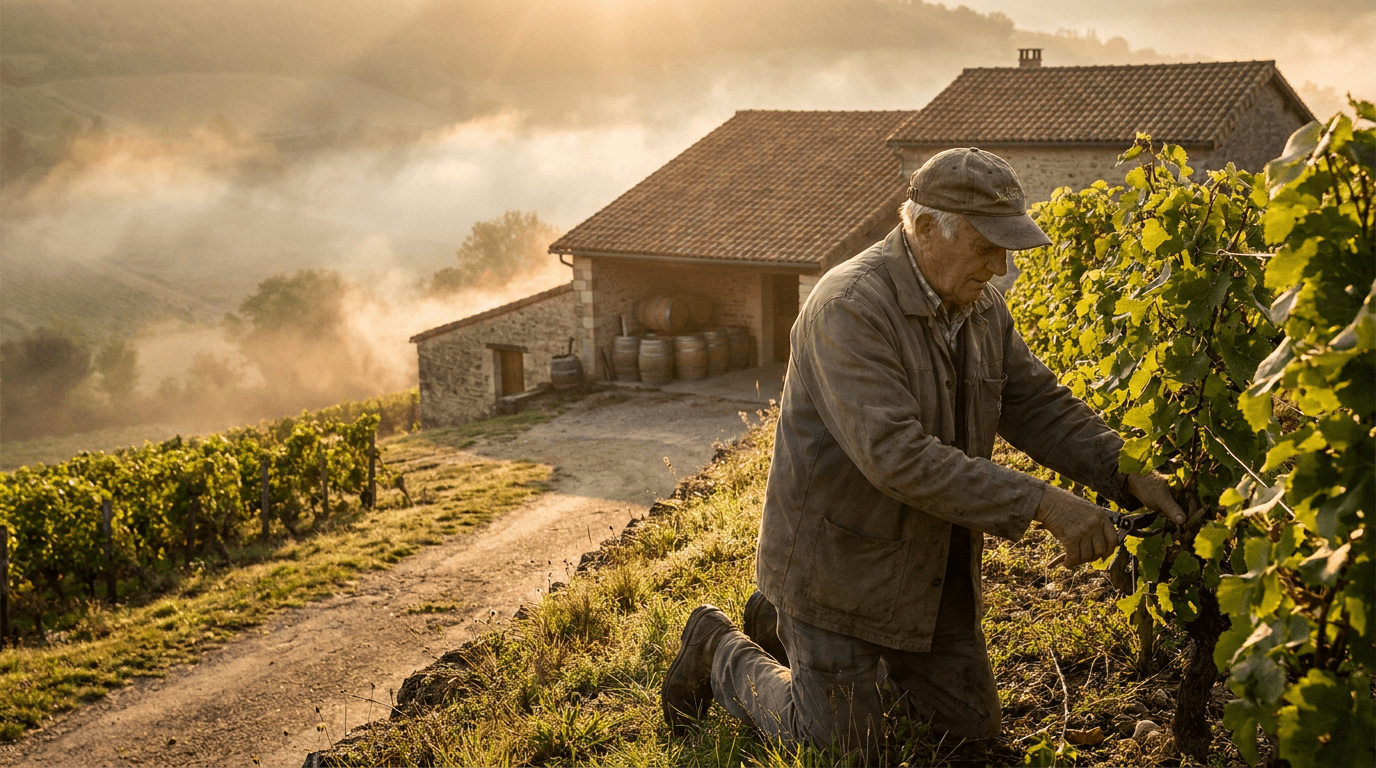
The 3-hectare winemaker plays an entirely different game. They know every square metre of their vineyard. They know that the northeast plot yields tighter tannins, that the south-facing slope offers early ripeness, that the clay corner near the stream produces wines of singular depth. They adapt their work vine by vine. Different pruning here, targeted leaf-thinning there, harvest delayed by three days between two rows twenty metres apart.
This intimacy with terroir is impossible to replicate at scale. No technical director overseeing 100 hectares, however talented, can achieve this level of granularity. It's mathematics.
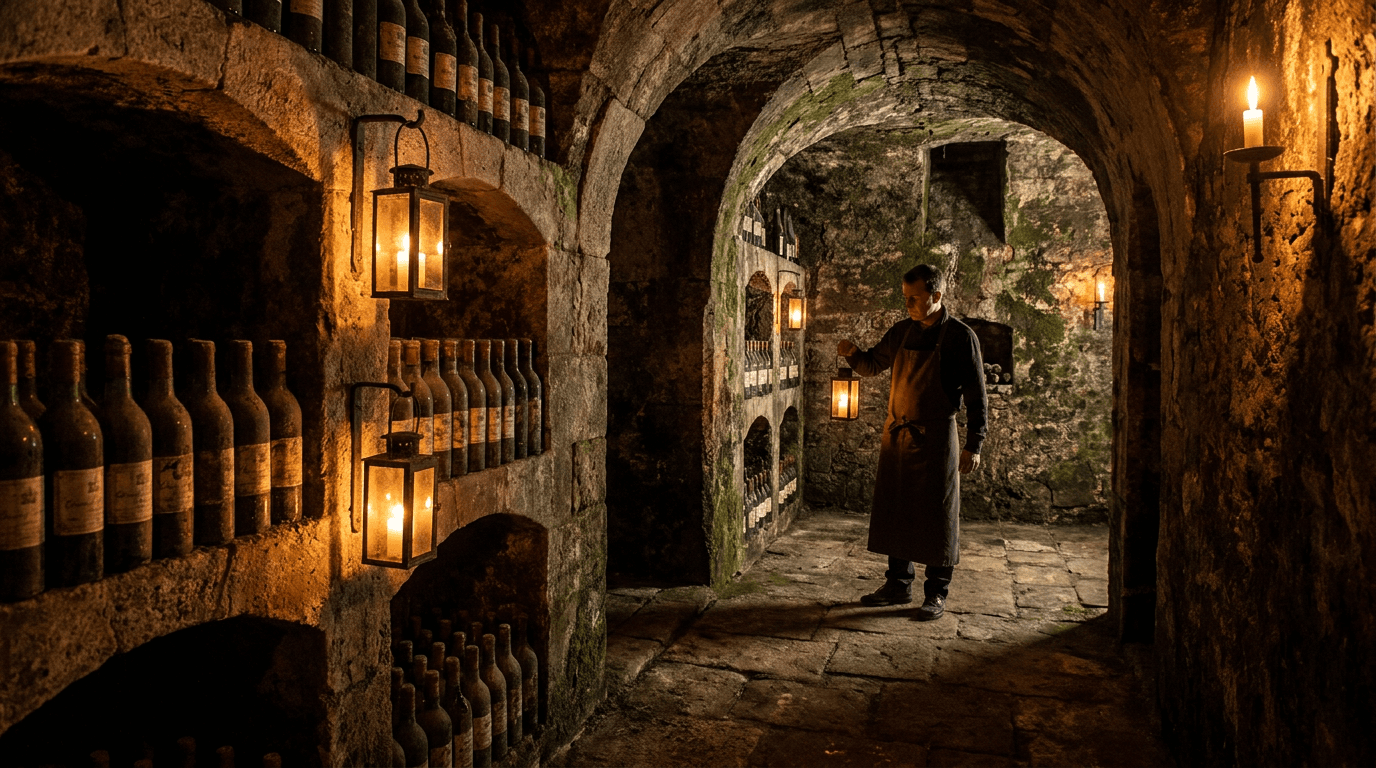
In the cellar, the same logic applies. Three hectares produce between 8,000 and 15,000 bottles. Every tank is a jewel. Every barrel is monitored individually. The winemaker tastes, adjusts, and decides in real time. They don't follow an industrial protocol. They listen to their wine. This freedom produces cuvées of an authenticity that even the most sophisticated marketing can never simulate.
Mass Marketing versus Truth in the Glass: Two Irreconcilable Models
Let's be honest: a significant portion of a grand château's price tag doesn't pay for the wine. It pays for the brand. Global advertising campaigns, prestige events, luxury partnerships, tasting scores negotiated with influential critics — all of this carries a colossal cost. A cost the consumer bears, often unknowingly.
A 3-hectare winemaker doesn't have that budget. And that's a good thing. Every euro earned goes back into the vineyard or the cellar. Not into a Parisian communications agency. Their marketing is word of mouth. It's the passionate wine merchant championing their cuvée. It's the restaurateur slipping their bottle onto the list between two famous names. And today, it's also direct online sales — platforms like Spiravel that let the producer tell their story without middlemen.
The value proposition is often devastating for big labels. A micro-estate wine at €15-25 regularly outperforms bottles at €60-80 from prestigious properties. The reason is simple: you're paying for the liquid, not the logo.
The informed consumer has figured this out. The global trend is moving towards authenticity, traceability, and direct connection with the producer. Wine giants feel the wind shifting. Some are even buying micro-estates to capture the credibility they've lost. Supreme irony: Goliath trying to disguise himself as David.
The Direct Sales Revolution: The Ultimate Equaliser
Historically, the small winemaker had one critical problem: distribution. Without a négociant network, without an international importer, without supermarket shelf space, their bottles stayed confidential. The talent existed. Market access did not.
Direct sales have changed the game irreversibly. A 3-hectare winemaker can now reach consumers across France — and beyond — without surrendering 30 to 50 per cent of their margin to intermediaries. They set their price. They tell their story. They build a personal relationship with every customer.
The numbers speak for themselves. In France, direct sales now represent over 40 per cent of private wine purchases. Consumers want to know who makes their wine, how, and why. They want to visit, exchange, understand. A publicly listed château cannot offer that. A passionate winemaker who opens their cellar and uncorks a bottle in front of you absolutely can.
This proximity generates formidable loyalty. A micro-estate's customers aren't buyers. They're ambassadors. They share, recommend, return every year. They're part of the adventure. On platforms like Spiravel, this dynamic takes on a new dimension: the producer retains full control, the consumer accesses hidden gems invisible in traditional channels, and trust is built on transparency — not manufactured prestige.
The small winemaker no longer needs to rival a grand château. They're playing in a superior category: sincerity.
Frequently Asked Questions
Can a small estate truly produce wines superior to a grand château?
Absolutely. Reduced size enables a precision of work impossible across large surfaces. Selective hand-harvesting, parcel-by-parcel vinification, individual barrel monitoring — every step benefits from total attention. Blind tastings regularly demonstrate that micro-estates outperform labels sold at five to ten times their price.
Why are small winemakers' wines often less expensive?
Because their price reflects the actual cost of production, not marketing spend. A grand château builds communication, distribution, and brand-positioning expenses into its pricing. The small winemaker selling direct eliminates these surcharges. The consumer pays for the wine, nothing else.
How can I find these small winemakers producing excellent wines?
Direct sales platforms like Spiravel are the best entry point. They curate authentic producers and enable purchasing without intermediaries. Independent winemaker fairs, specialist wine merchants, and word of mouth also remain excellent sources for discovering these confidential gems.